

Replacement Firebrick Liner – Fireplace & Heating Tips
A replacement firebrick liner (cool training) is a key component for homeowners who rely on solid-fuel heating. Whether you own a wood stove, pellet stove, or a fireplace insert, worn or damaged firebricks reduce performance, increase heat loss, and can create safety hazards. This guide explains why timely replacement matters, how to spot issues, and how proper maintenance helps you achieve energy efficient heating and more eco-friendly heating overall.
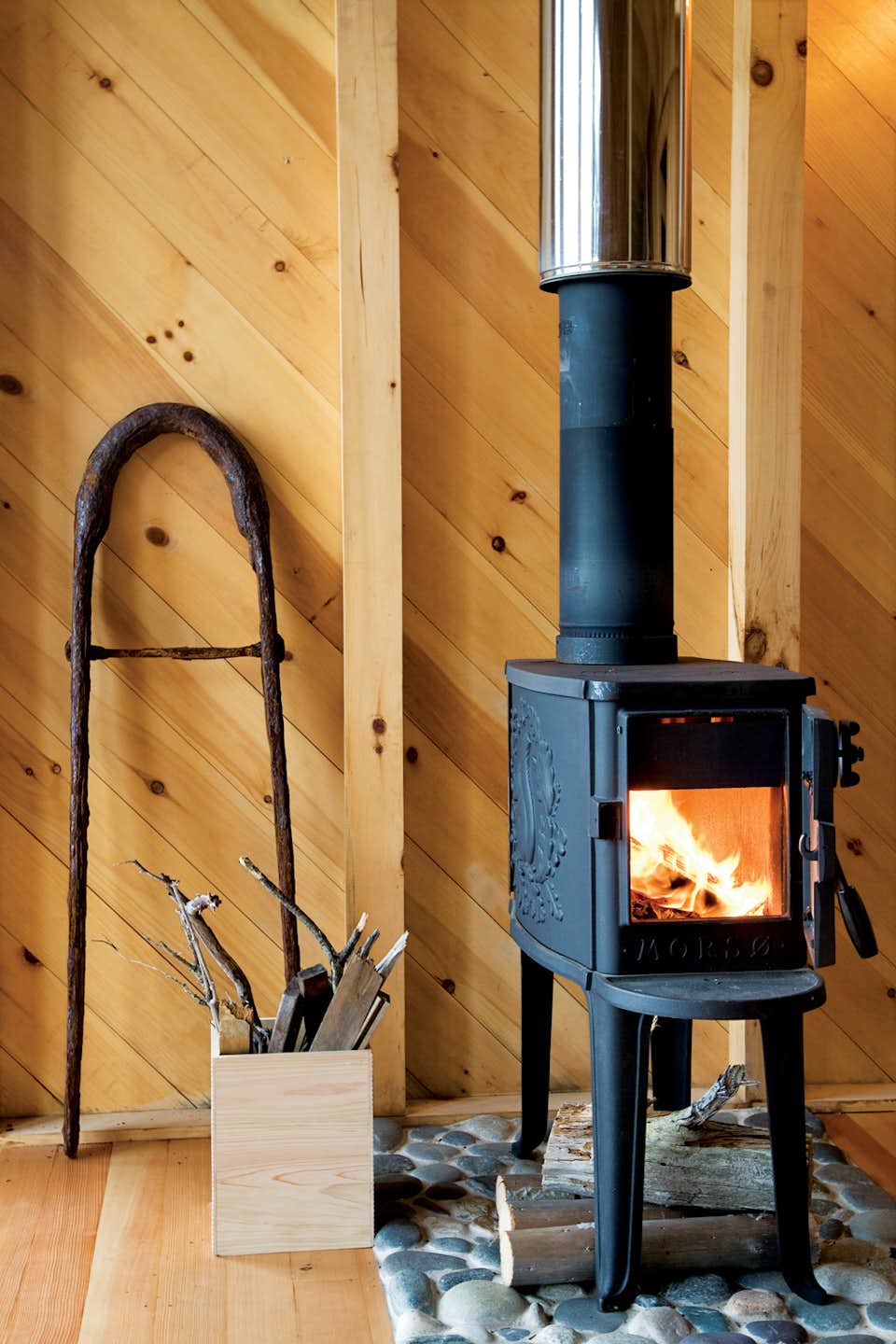
What Is a Firebrick Liner and Why It Matters
Firebrick liners are refractory bricks that line the combustion chamber of solid-fuel appliances. They protect metal walls from intense heat, improve combustion by reflecting heat back into the firebox, and prolong the life of the stove’s body. Installing a quality replacement firebrick liner is one of the most cost-effective ways to maintain appliance efficiency and reduce long-term repair costs.
Key Benefits
- Improved efficiency: Better heat retention leads to more effective combustion and less fuel use — important for energy efficient heating.
- Longer appliance life: Firebricks protect internal metal parts and reduce the need for other stove spare parts.
- Safety: Intact bricks reduce the risk of heat transfer to nearby materials and structural components.
- Cleaner burn: Proper combustion reduces creosote build-up, making chimney maintenance easier and less frequent.
When to Replace Your Firebrick Liner
Knowing when to replace firebricks helps avoid damage and maintain safe operation. Look for these warning signs:
- Cracks wider than 1/8 inch or crumbling material
- Visible metal on the stove body inside the combustion chamber
- Reduced burn time or decreased heat output
- Increased creosote deposits during normal operation
Common Causes of Wear
Overfiring, impacts from logs or pellets, and natural thermal cycling cause gradual deterioration. Using unseasoned firewood can also increase interior temperatures and accelerate damage.
How to Install a Replacement Firebrick Liner
Installing a new liner can often be a DIY project, but consult your stove manual or a professional if you’re unsure. The basic steps include:
- Turn off and fully cool the stove; disconnect if necessary.
- Remove the old bricks carefully and inspect the stove body for damage.
- Clean the firebox of ash, soot, and loose debris.
- Dry-fit the new bricks to ensure proper placement and clearance.
- Use manufacturer-recommended mortar or clips to secure the bricks.
- Allow mortar to cure per instructions before using the stove.
For many models, replacement bricks and other stove spare parts are available from authorized dealers or online retailers. If a gasket, baffle, or glass also shows wear, replace them at the same time to maximize performance.
Maintenance Tips for Long-Term Performance
Regular maintenance keeps your stove running efficiently and extends the life of the firebrick liner. Follow this checklist:
- Burn well-seasoned firewood or certified pellets to reduce creosote.
- Schedule annual chimney maintenance and professional inspections.
- Clean ash regularly — but leave a small ash bed for efficient coaling.
- Check firebricks and other stove spare parts before the heating season and after heavy use.
- Use a stove thermometer to avoid overfiring and track combustion efficiency.
Sustainable and Eco-Friendly Heating Strategies
Replacing a firebrick liner contributes to sustainable heating by maximizing system efficiency and lowering fuel consumption. Combine this upgrade with other eco-friendly practices:
- Choose high-efficiency wood stoves or pellet stoves that meet EPA standards.
- Consider a certified fireplace insert to convert an inefficient open hearth into an efficient heater.
- Source local, sustainably harvested firewood or certified pellets.
- Keep up with professional chimney cleaning to reduce emissions and fire risk.
Conclusion
A timely replacement firebrick liner is an investment in safety, longevity, and energy efficient heating. Whether you operate a wood stove, pellet stove, or fireplace insert, maintaining the firebox and installing quality stove spare parts will improve performance and support eco-friendly heating goals. Combine proper upkeep with good fuel choices and regular chimney maintenance for the cleanest, safest, and most efficient heating season possible.